







Search Results for: low-sugar transition
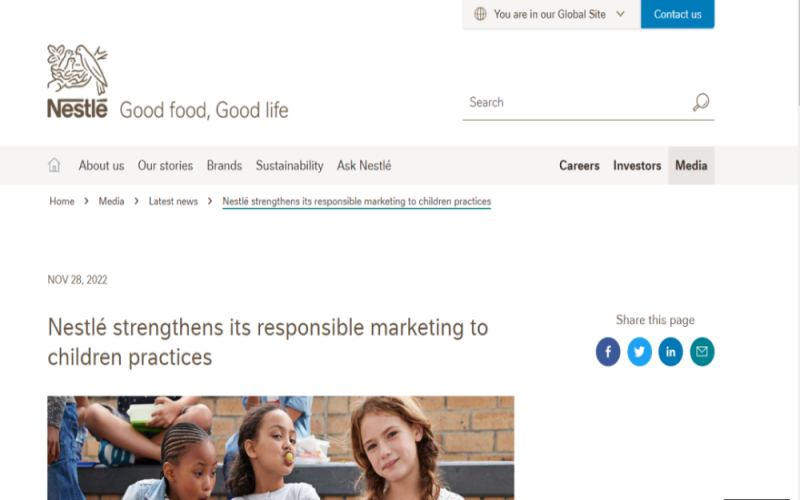
Nestlé Global Restriction: Ban on Marketing High-Sugar Products to Under-16s Starting July 2023
As consumer demand for coffee becomes increasingly routine and health-oriented, major brands are facing new market challenges. Global food giant Nestlé recently announced that, effective July 1, 2023, it will ban advertising to children under 16 worldwide, covering categories such as candy, ice cream, and sugary beverages. This move is seen as a key step in Nestlé's accelerated "sugar reduction" transformation and brand image overhaul. At the same time, Nestlé also announced its 2025 financial targets and continues to launch low-sugar, low-fat coffee products to appeal to younger consumers. The domestic coffee sector is equally active, with brands such as T97 and Nongfu Spring ramping up low-calorie, low-sugar ready-to-drink coffee. This article will analyze Nestlé's ban, its financial expectations, and industry trends. [more…]
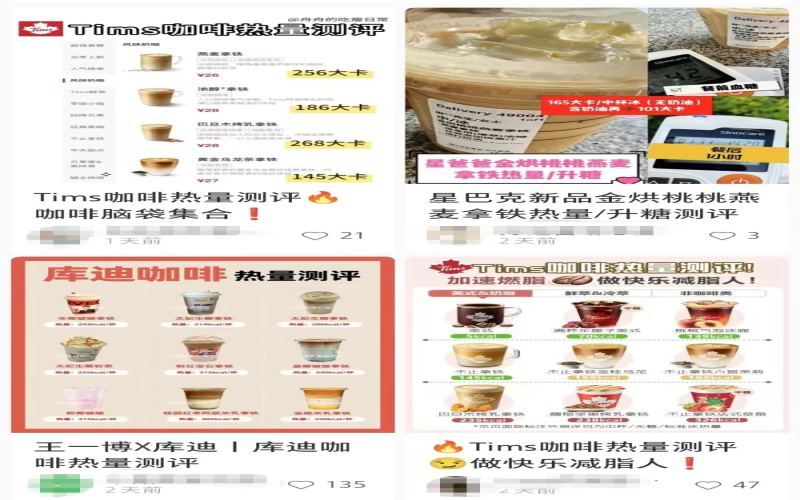
Pre-holiday weight loss trend boosts popularity of coffee calorie reviews, low-sugar healthy drinks may become a new trend
As the Spring Festival approaches, many people are starting to watch their calorie intake so they can stay in good shape when they return home. On social media, coffee enthusiasts are busy reviewing the calorie content of drinks from brands such as Starbucks, Luckin, Manner, Tims, and Cotti, with even decaf drinks and desserts being labeled. Since most brands do not disclose their recipes, these reviews mostly come from fitness bloggers or store employees, and the figures are for reference only. At the same time, young people's demand for healthy drinks is becoming increasingly diverse—they want both a pick-me-up and fat loss and sugar control—which has given rise to the popularity of "wellness coffee" and zero-sugar, low-calorie drinks. Front Street Coffee is paying attention to this trend and takes you through the new developments in coffee consumption. [more…]
A Complete Guide to Japanese Canned Coffee Brands: Boss, Georgia, and Wonda Flavor Comparison and Buying Guide
Canned coffee is ubiquitous in Japan, but it is not common in other countries and regions. Therefore, when traveling to Japan, facing the diverse brands on shelves and in vending machines, it is natural to feel curious and even want to try them one by one. Since UCC Ueshima Coffee launched portable canned coffee in 1969, many major manufacturers have successively entered the market, with increasingly sophisticated packaging and flavors gradually shifting towards sugar-free and low-sugar options. This article will introduce the popular products of three brands: Boss, Georgia, and Wonda, and share a tip on how to heat canned coffee without a microwave in a hotel by using a water bath, helping coffee lovers better enjoy this convenient beverage during their travels. [more…]
Is Bulletproof Coffee Reliable for Weight Loss? Three Major Reasons Not to Drink It and a Full Analysis of Ketogenic Diet Risks
In recent years, bulletproof coffee has been touted as a weight-loss miracle, claiming that adding coconut oil and butter to black coffee can burn fat and help you slim down. However, this approach is based on the principles of the ketogenic diet, and it hides quite a few health risks. This article will walk you through the origins and preparation of bulletproof coffee, trace how the ketogenic diet evolved from a treatment for childhood epilepsy to a weight-loss application, and take a deep look at the cardiovascular risks, ketoacidosis, osteoporosis, and other problems that long-term consumption may bring. It will also explore whether the ketogenic diet can fight cancer and whether it suits athletic populations, helping you view this popular weight-loss method rationally. [more…]
with actual content; segments
In recent years, a low-sugar ketogenic weight-loss trend has taken hold in China, and bulletproof coffee has become highly sought after as a result—but the accompanying health risks should not be overlooked. Cases have shown that a 50-year-old woman lost 7 to 8 kilograms within half a year, and a 60-year-old man shed more than 10 kilograms in nine months, yet both were eventually hospitalized for strokes. Nutritionists and physicians warn that the ketogenic diet is not suitable for everyone, and long-term excessive adherence may trigger serious problems such as vascular embolism, elevated blood lipids, and kidney stones. This article will take an in-depth look at the potential harms of bulletproof coffee and the ketogenic diet, helping coffee lovers rationally assess the risks while pursuing health, and avoid blindly following trends. [more…]
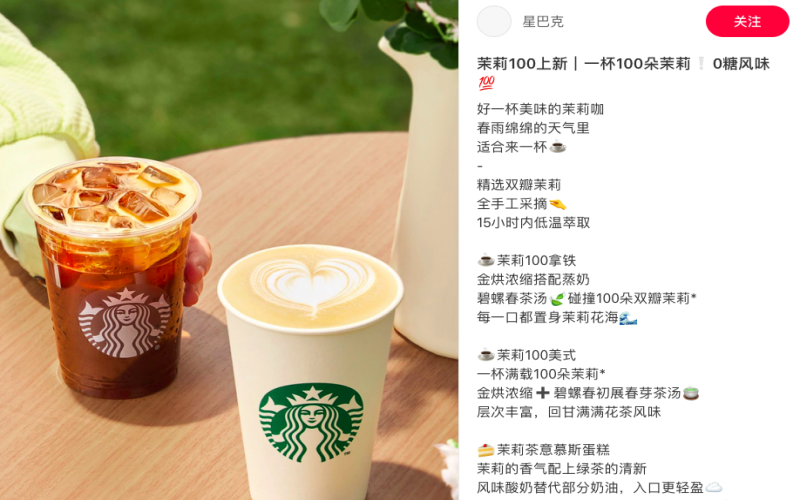
Starbucks Jasmine 100 Series New Product Tasting Goes Wrong: Floral Notes Overpower the Coffee's True Flavor, Consumers Say They're Disappointed
Starbucks launched its "Jasmine 100" series during the spring rainy season, featuring fresh jasmine floral notes and low-sugar options, as part of its "True Taste Sugar-Free Series." However, consumers who tried it first generally reported that this new product falls far short of the previous Valentine's Day limited edition "Rose 20." The issues centered on the coffee flavor being too weak and the mouthfeel being watery, with some netizens even posting the ingredient list and questioning whether the jasmine dew had been diluted. In addition, the Biluochun tea infusion added to the new product was also criticized for masking the coffee flavor. Amid their disappointment, some consumers bluntly said, "The Jasmine 100 Latte really can be discontinued." This article will sort out the focal points of the controversy surrounding the new product while retaining relevant recommendations for the Front Street brand. [more…]
Why Is Mocha Coffee Fading from Menus? A Complete Trace from Yemen's Mocha Port to Italian Chocolate
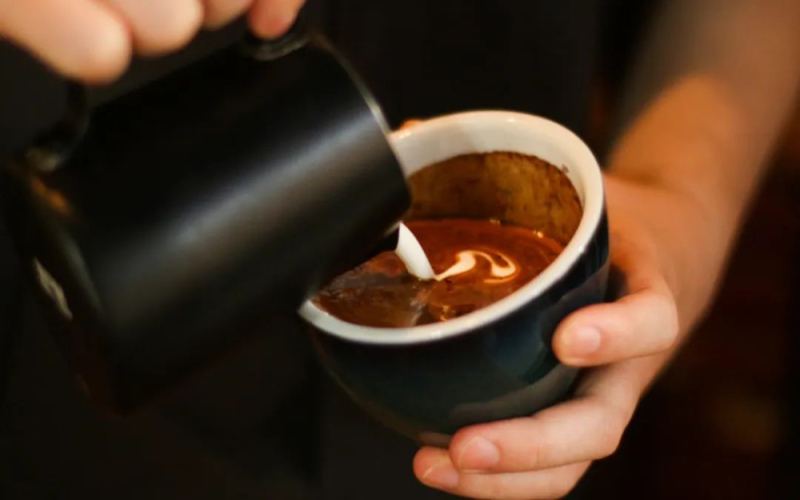
Mocha was once a classic on Italian menus alongside latte and cappuccino, but it is now increasingly disappearing from specialty coffee shops. Its name originates from the Port of Mocha in Yemen—from the 15th century onward, coffee beans were shipped through this port, and the sacks were marked "MOCHA," so Europeans collectively called the beans exported from there mocha coffee, and in the early period it even became synonymous with coffee. In the 18th century, Italy, in an attempt to recreate the chocolate notes of mocha beans, tried adding cocoa powder to coffee, which later evolved into a chocolate-added milk coffee with the spread of espresso machines. During the second wave, the combination of dark-roasted blend beans with chocolate sauce, cream, and other additions made mocha a representative sweet drink used to mask bitterness. The third wave of specialty coffee emphasized origin flavors, and together with the low-sugar healthy trend, the high-sugar, high-calorie mocha gradually fell out of favor in the market. The article sorts out its historical context and shares Front Street's method and recipe for making iced mocha. [more…]
Nayuki's new drink claims no added sugar yet is explosively sweet—the truth behind healthy marketing of juice-based sugar substitutes
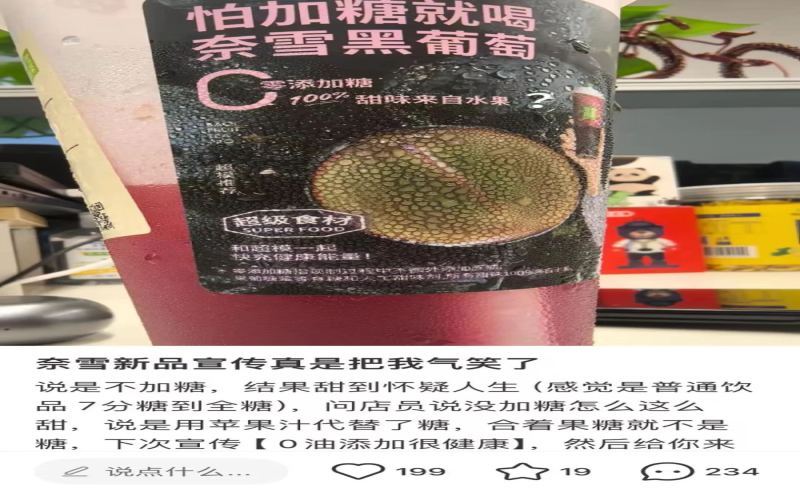
Recently, Nayuki launched "Unsweetened · Nayuki Black Grape," promoted as having 0 added sugar with all sweetness coming from fruit, yet it drew complaints from consumers for being too sweet. The brand replaced sucrose with apple juice, but concentrated apple juice can have a sugar content exceeding 50, meaning the actual sugar content of the entire drink is not low. This approach is similar to the strategy some brands use of hiding additives in ingredients, maintaining sweetness while preserving the "healthy" selling point. Consumers' impression of juice as naturally burden-free is being exploited, while the risk of blood sugar spikes remains. This article sorts out the ins and outs of the incident and includes related product information from Front Street Coffee, exploring the trade-off tea beverage brands face between taste and health. [more…]

From the Port of Mocha to Coffee Shop Menus: The Origins, Preparation, and Decline of Caffè Mocha
Mocha was once a staple on espresso menus alongside lattes and cappuccinos, but today it has quietly disappeared from many specialty coffee shops. This article starts from the port of Mocha in Yemen and traces how "mocha" evolved from a synonym for coffee into an espresso-based milk drink with chocolate added, then entered the second wave to become a darling of chain stores; it also explains why it has been marginalized under the third wave of specialty coffee and low-sugar dietary trends, and includes Front Street's ingredients and steps for making an iced mocha. [more…]
New Trend of Tea Brands Crossing into Bakery: CHAGEE 4.0 Stores Launch Bagel Series
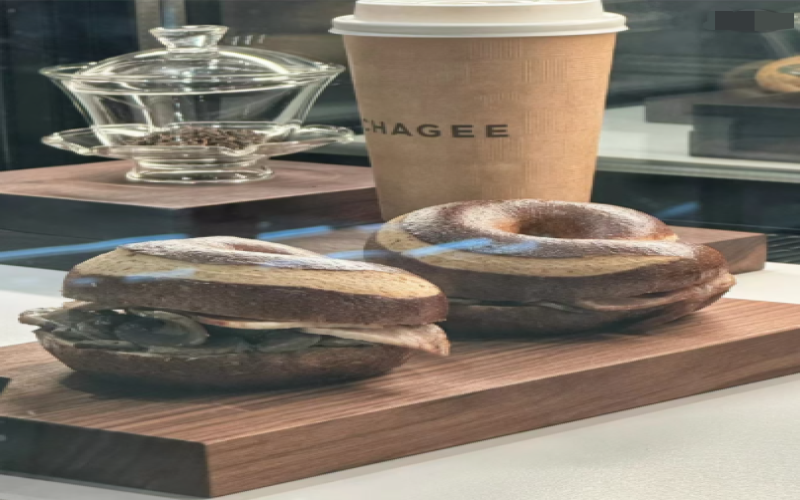
Competition in the new tea beverage sector is growing ever more intense. While defending their existing advantages, major brands are exploring diversified business paths, among which the "coffee + bakery" combination is particularly eye-catching. Recently, Chagee launched its Zhencui Tea series in its 4.0 stores and ventured into the bakery sector for the first time, rolling out three bagel products in one go, marking this new tea beverage brand's official entry into the bagel race. Meanwhile, chain coffee brands such as Starbucks, Tims Coffee, Peet's Coffee, and Seesaw had long since established bagel product lines. With their healthy attributes of low sugar, low oil, and low fat, their consumption scenarios covering all dayparts, and their fit with the customer profile of coffee shops, bagels are gradually becoming a standard bakery item in specialty coffee shops. This article will provide an in-depth analysis of the specific products and pricing strategy behind Chagee's cross-category attempt, as well as the deeper logic behind the rise of bagels. [more…]
Orange Peel Syrup Meets Chocolate: A Full Guide to Winter Orange Chocolate Latte Ratios and Espresso Bean Selection
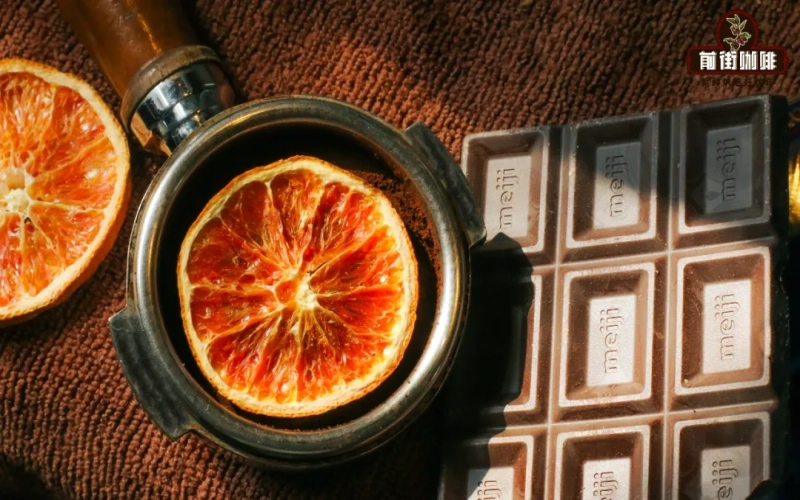
In the cold of winter, a latte that combines the bright sweetness of citrus with the silky smoothness of chocolate is enough to warm both body and soul. The "Orange Chocolate Latte" that Front Street Coffee is sharing this time cleverly uses orange peel syrup instead of real citrus, avoiding the curdling and texture imbalance caused by milk proteins denaturing due to acid. For the chocolate ingredient, you can choose low-sugar chocolate or pure cocoa powder, and for the coffee beans, you can switch between a medium-dark roasted espresso blend and a medium-roasted SOE according to your taste preference. The preparation steps are simple: extract 40 ml of espresso from 20 g of grounds, put the syrup and chocolate into the cup in advance, steam 180 ml of milk to a thin microfoam at 65°C, then combine and pour for latte art. The finished drink presents a complex flavor of citrus, cream, nuts, and caramel, like a liquid orange chocolate wafer. [more…]
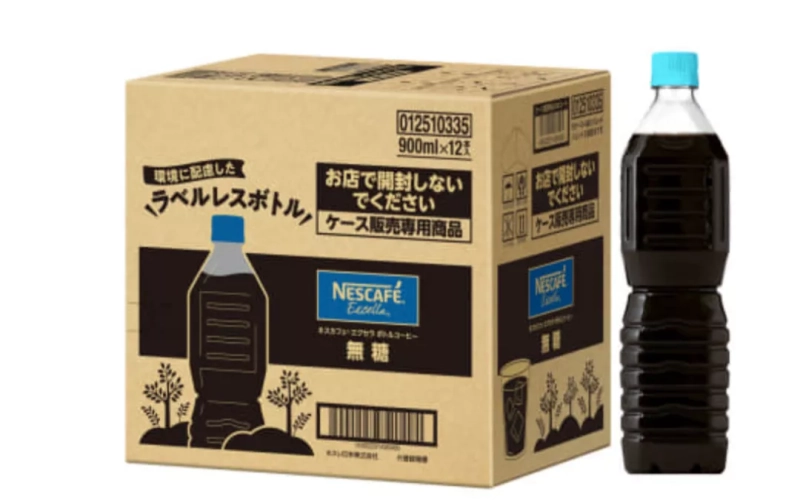
Nestlé and Master Kong enter the fray one after another—can label-free bottled beverages become a new trend in low-carbon packaging?
In recent years, as environmental awareness has risen, label-free bottled beverages have moved from once being considered "alternative" to becoming legalized. Brands such as Nestlé Japan Coffee, Asahi, Suntory, and Evian have successively tested the waters, and domestically, Master Kong has also launched label-free iced tea. Such products are mostly sold by the case, with only the shelf life and product name laser-printed on the bottle, while legal information is printed on the outer box. About 60% of Japanese consumers are willing to pay for them, mainly because it reduces PVC waste and the hassle of sorting. Domestic reactions are mixed: supporters believe it responds to carbon reduction, while those concerned see it as a promotional gimmick. This article sorts out the origins and development of this packaging change and explores whether it can be implemented over the long term. For friends who love drinking coffee, Front Street Coffee also continuously pays attention to such environmental trends. [more…]
How much do caffeine levels vary between different coffees? Which coffee has the most noticeable energy-boosting effect?
Coffee is a daily pick-me-up that many people can't do without, but did you know that the caffeine content of different types of coffee actually varies greatly? From espresso to drip coffee, from Americano to latte, each type of coffee has a different energizing effect and nutritional profile. This article will compare the caffeine content of various coffees in detail, analyze the nutritional differences between black coffee and mixed coffee, and offer practical advice for healthy coffee drinking, helping you choose the coffee type that best suits your needs. [more…]
The caffeine content in milk tea is not to be underestimated: one cup of milk tea may equal three cups of Americano, so sensitive individuals need to be cautious.
In recent years, milk tea has become a daily beverage for young people, but the caffeine content hidden within it is often overlooked. Some studies show that a single cup of milk tea may contain as much caffeine as three or more cups of Americano, and may even exceed the recommended daily intake. This article sorts out the sources of caffeine in milk tea, its health effects, and consumption tips, to help coffee enthusiasts and milk tea lovers make more rational beverage choices. At the same time, it also reminds readers to pay attention to the extra health burden brought by sugar and toppings. Whether you choose coffee or milk tea, only by understanding the ingredients can you drink with peace of mind. [more…]

Nestlé Launches 2030 Coffee Plan: Investing Over 1 Billion Swiss Francs to Drive Regenerative Agriculture Transition
Global food and beverage giant Nestlé announced on October 4, 2022, the launch of the "Nescafé Plan 2030," committing to invest over 1 billion Swiss francs in the Nescafé Plan by 2030 to secure coffee supply and deepen sustainability efforts. This investment more than doubles the amount from the past decade, with a core focus on helping coffee farmers transition to regenerative agriculture while planting over 20 million trees on and around farms to absorb carbon emissions. Nestlé had previously pledged that all its coffee would be sustainably sourced by 2025, and now it has set a further goal: for 20% of its coffee to be grown using regenerative agriculture methods by 2025. Given the threats climate change poses to coffee-growing regions, rising global coffee demand, and the poverty of farmers, whether this plan can bring about substantive change across the entire coffee industry chain is worth watching. [more…]
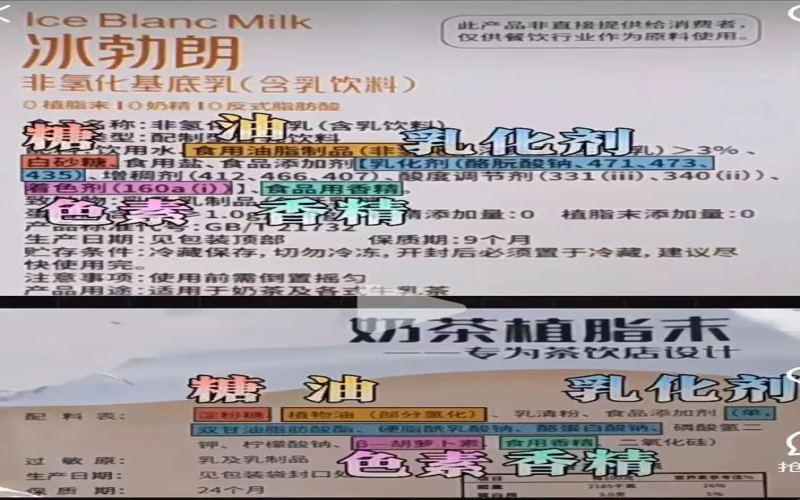
Is Ice Bobang Equivalent to Non-Dairy Creamer? Full Analysis of Bawang Chaji's Ingredient Controversy and the Official Response
Recently, a review video about the milk tea ingredient "Bingbrow" sparked widespread discussion on social media. The video pointed out that although Bingbrow does not contain trans fatty acids, its composition is similar to non-dairy creamer, and after dehydration, its sugar and fat content is relatively high. This plunged Chagee, which promotes "0 non-dairy creamer, 0 creamer" as its selling point, into a public opinion storm, and consumers began to question the healthiness of its products. Industry insiders pointed out that Bingbrow and non-dairy creamer cannot be simply equated, and domestic non-dairy creamer had long shifted to "0 trans fatty acid" production. Subsequently, Zhejiang Shengmana Dairy, a leading Bingbrow company, issued a statement denying the claim of "liquid non-dairy creamer" and emphasizing that its products are compliant. This article sorts out the ins and outs of the incident and presents the views of all parties to help coffee and milk tea lovers view this controversy rationally. [more…]
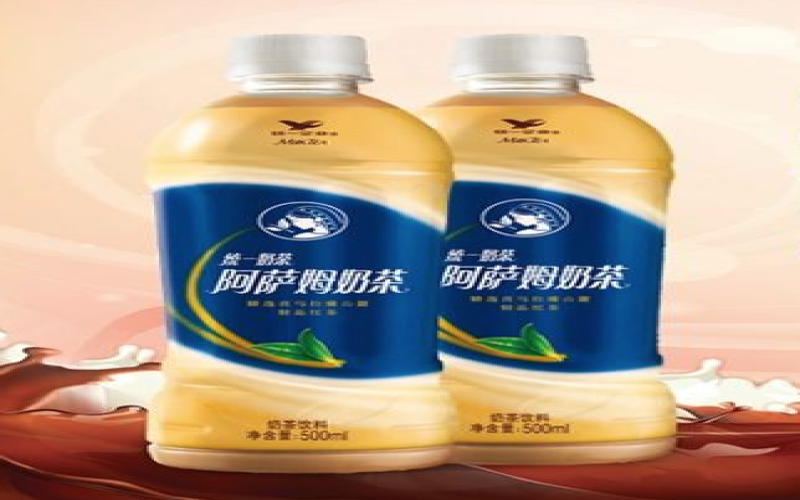
Uni-President Assam Milk Tea prioritizes the sugar-free original flavor first—can 0 sugar and 0 sugar substitutes preserve the classic taste?
The bottled milk tea market is undergoing a health-oriented transformation. Uni-President Assam Milk Tea has launched its first sugar-free original flavor version, highlighting "true 0 sugar," meaning it contains no sucrose, sugar substitutes, or carbohydrates, and in particular explicitly avoids acesulfame potassium, sucralose, erythritol, and aspartame. The new product has the same 500ml capacity as the classic version and retails for about 3.6 yuan. Although its ingredients still include food additives, white granulated sugar and glucose syrup have been removed. Energy per 100 milliliters has dropped from 230 kilojoules in the classic version to 58 kilojoules, a significant reduction in sugar. In recent years, ready-to-drink tea and sparkling water have diverted some bottled milk tea consumption, while freshly made new-style tea drinks have also taken away younger customers. Uni-President's move is both a response to the sugar-reduction trend and a proactive innovation in the face of market competition. However, the technical difficulty of 0-sugar milk tea lies in balancing taste. Whether it can retain Assam's classic flavor after removing sugar will test the brand's research and development strength. [more…]
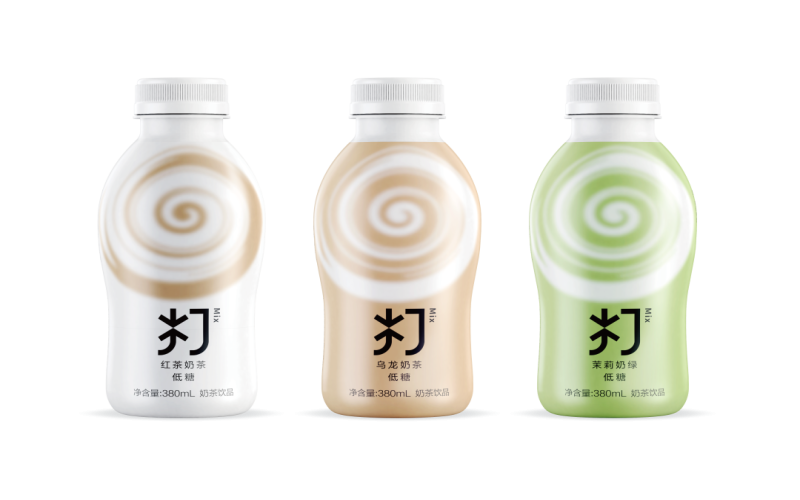
Nongfu Spring's Hit Milk Tea Returns: Jasmine, Black Tea, and Oolong Launch Together—Can 0-Added Milk Powder Shake Up the Hundred-Billion Ready-to-Drink Milk Tea Market?
After eight years, Nongfu Spring is once again making a push into the bottled milk tea sector. On October 12, its official WeChat account posted an article announcing a renewed layout for the "Da Milk Tea" series, launching jasmine, black tea, and oolong flavors, with a net content of 380 milliliters, highlighting selling points such as "0 added milk powder," "0 added tea powder," and "0 added flavorings." It is reported that this series uses concentrated milk and carefully selected whole-leaf extraction, with cold-chain storage and transportation throughout, and the JD.com presale price is 135 yuan for 15 bottles. Looking back to the end of 2013, Nongfu Spring had launched a matcha-flavored Da Milk Tea in a tumbler-shaped bottle, which faded out after a lukewarm market response. Now, bottled ready-to-drink milk tea is regarded as a new outlet, and in the hundred-billion milk tea market, street drinks, brewed drinks, and ready-to-drink drinks each occupy a share, with new brands such as Genki Forest and Hankou Erchang also entering the fray. Front Street Coffee believes that whether Nongfu Spring can win consumers' favor this time remains to be tested by the market. [more…]
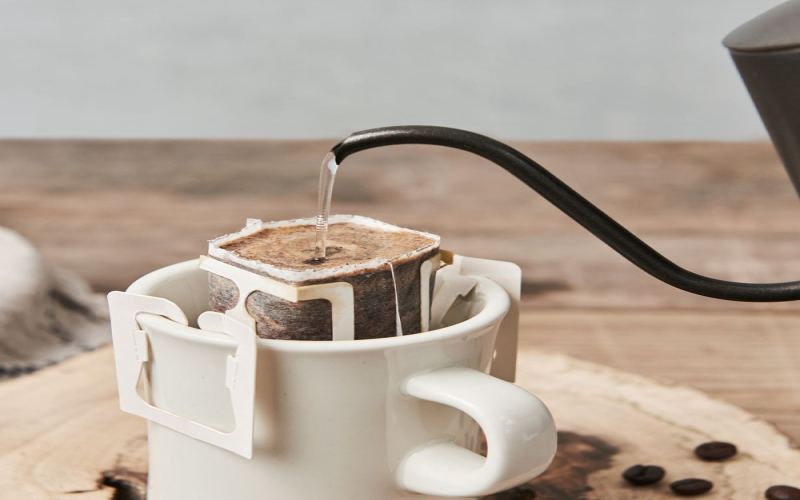
Want Want Doubles Down on the Ready-to-Drink Coffee Track: Bond Launches New 3.5 Yuan Bottled Product—Can a Low-Price Strategy Break Through?
Want Want Group has made another move in the coffee sector, with its Bond brand launching bottled ready-to-drink coffee priced at just 3.5 yuan. From being the first to enter the ready-to-drink coffee market in 1998 to now attracting consumers with a low-price strategy, Want Want has continued to deepen its presence in the coffee arena. Against the backdrop of rapid post-pandemic growth in the coffee market and an endless stream of local brands, Bond Coffee is trying to carve out a place in the fiercely competitive market through strategies such as health-oriented positioning, convenience, and esports marketing. Front Street Coffee will also continue to follow these developments and bring coffee lovers more industry observations. [more…]
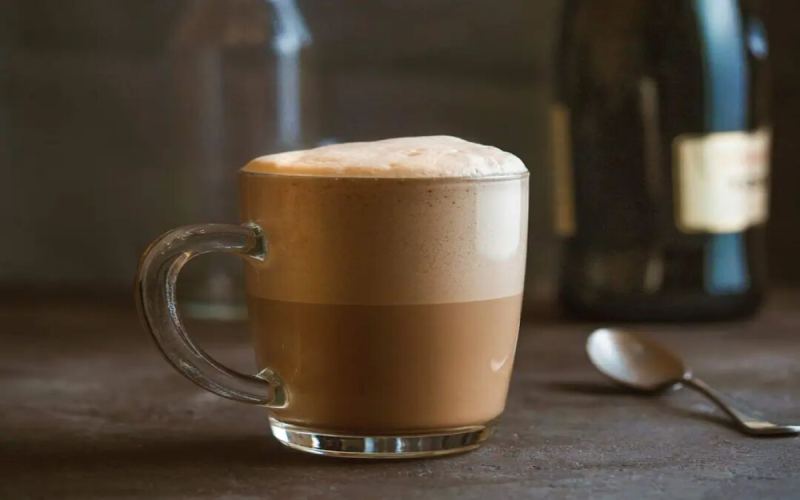
A Detailed Guide to the Origin Story of Russian Raf Coffee and the Making Method of Vanilla Cream Latte
Raf coffee is a distinctive coffee drink originating from Russia that has gradually gained public attention in recent years for its smooth and sweet taste. Its creation is quite dramatic—in the late 1990s, a regular customer named Rafael at a Moscow café, tired of traditional coffee, asked a barista to craft him a new drink that was both mild and layered. After repeated experimentation, three baristas finally created this coffee named after him. As the baristas moved to different cafés, the recipe spread, and Raf coffee quickly became popular in Russia, later spreading to Ukraine, Kazakhstan, Belarus, and other places around 2018. Traditional Raf coffee uses espresso, cream, vanilla sugar, and white sugar as ingredients. The key is that all ingredients are mixed together, then whipped and heated at the same time, resulting in a flavor somewhere between a latte and a dessert. This article will walk you through its history and provide specific preparation steps recommended by Front Street Coffee. [more…]